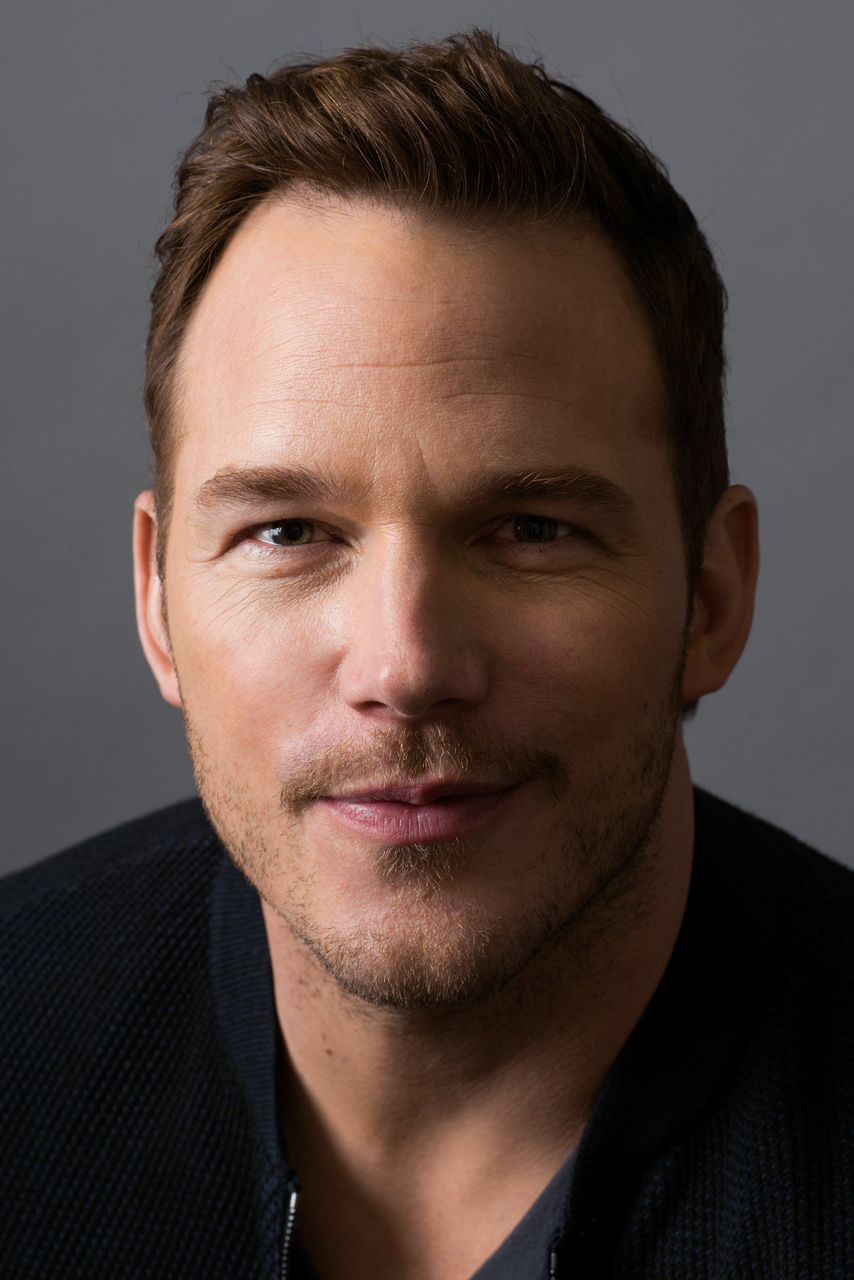
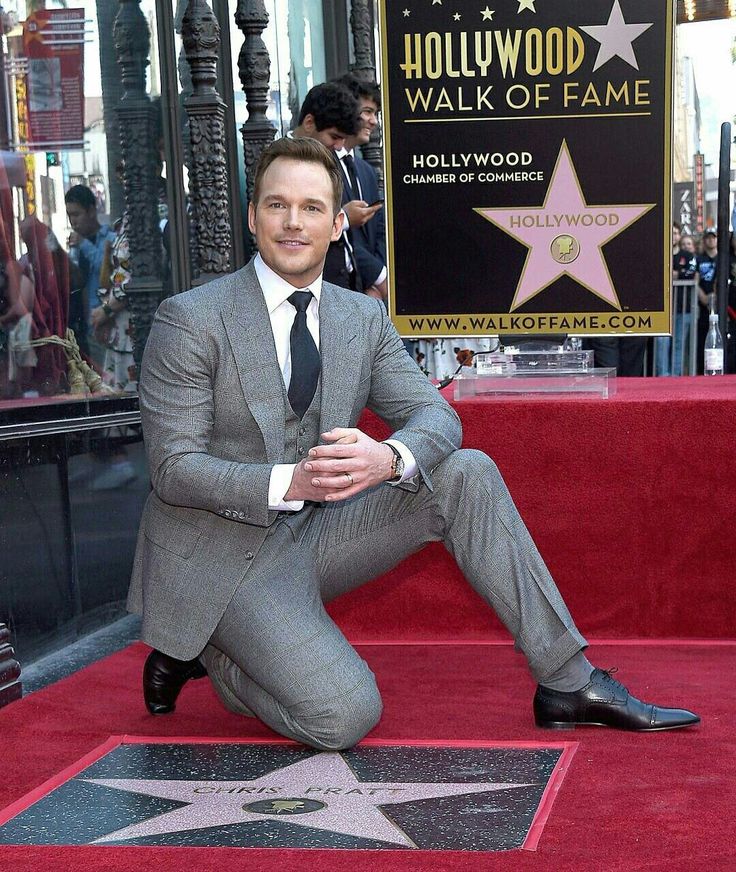
While Chris Pratt is globally celebrated for his charismatic leading roles in multi-billion dollar franchises, his most underrated transformation in 2016 is his evolution from a “doughy” sitcom sidekick to a polished red-carpet fixture. The journey from the loose-fitting flannel shirts of Parks and Recreation to the sharp, tailored aesthetic of a Hollywood leading man is a masterclass in branding. In this comprehensive 2026 guide, we explore how Pratt’s wardrobe has matured alongside his career.
The Early Days: The “Andy Dwyer” Era
In the mid-2000s, Pratt’s style was characterized by an approachable everyman aesthetic. As Andy Dwyer on Parks and Rec, his wardrobe relied heavily on graphic tees, baggy cargo pants, and worn-out sneakers. It was a look that prioritized comfort over silhouette, perfectly matching his character’s lovable, chaotic energy.
During this period, he often donned ill-fitting suits and lacked a clear fashion direction during his red-carpet appearances. He openly admitted that he was the guy in the room who struggled to dress appropriately for the occasion.
The “Star-Lord” Pivot: Slimming Down and Stepping Up
The shift in Pratt’s style was not an overnight occurrence; it was a consequence of the intensive physical training he underwent for Guardians of the Galaxy. As his physique became more defined, his wardrobe began to follow suit—literally.
- The Tailoring Revolution: Pratt began trading oversized cuts for structured, slim-fit silhouettes that showcased his athletic build.
- The Palette Shift: He moved away from the “loud” patterns of his younger years, embracing a sophisticated palette of navy, charcoal, and earthy tones that complemented his natural coloring.
- The Rugged/Sophisticated Blend: Pratt mastered the art of layering, frequently pairing high-end leather jackets with crisp button-downs and well-fitted denim—a “rugged yet refined” look that became his signature.

2026: The “Mercy” Aesthetic
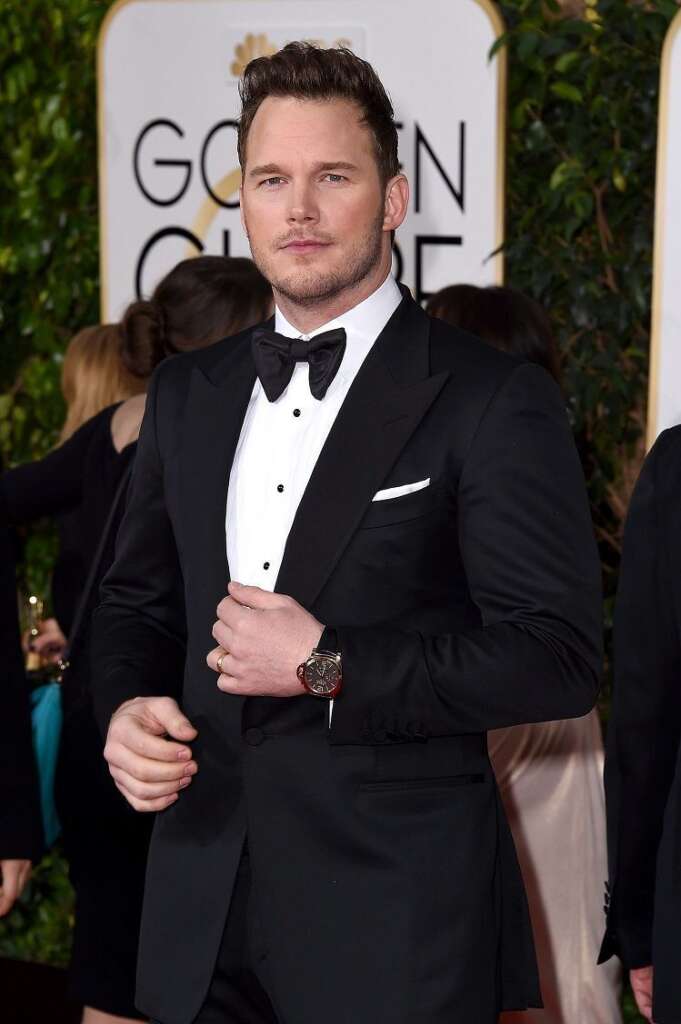
As of March 2026, Pratt’s style has reached a new level of maturity. For the promotional tour of his upcoming sci-fi thriller, Mercy, his approach has shifted toward “Quiet Sophistication.” He favors clean, minimalist lines and premium fabrics, often seen in custom-tailored suits by high-end houses like Tom Ford or Ermenegildo Zegna.
This current evolution is less about “flash” and more about “form.” Whether he is appearing on a late-night talk show or attending a premiere, Pratt now opts for an understated elegance that emphasizes his presence rather than his outfit.
Personal Brand and Collaborations
Beyond his red-carpet presence, Pratt’s style is defined by its functionality—a reflection of his active, outdoor-loving persona. A notable highlight in his fashion history remains his ultra-exclusive capsule collection with TUMI, which emphasized his need for high-performance, durable travel gear that looks as good in a hotel lobby as it does on a set.
Signature Style Elements
- Layering: Frequently uses bombers, leather jackets, or structured blazers over simple knits.
- Footwear: Balances style and utility with premium leather boots and minimalist sneakers.
- Accessories: Keeps it clean with discreet, high-end watches and the occasional baseball cap for off-duty days.

The “Dad Life” Influence
Pratt’s current role as a husband and father heavily influences his modern style, as noted by fans and style critics. He prioritizes comfort and practicality for his “family-first” lifestyle, often appearing in well-constructed casual wear that doesn’t compromise on quality. As explored in our update on Chris Pratt’s Wife, Family, and Relationships, this “anchored” version of himself—seen in paparazzi shots during school runs—has become just as iconic as his movie-star looks.
Ultimately, Pratt’s style journey is a reflection of his life: he has learned that the best outfit is the one that looks good, feels comfortable, and allows him to move seamlessly between a blockbuster film set and a family dinner.
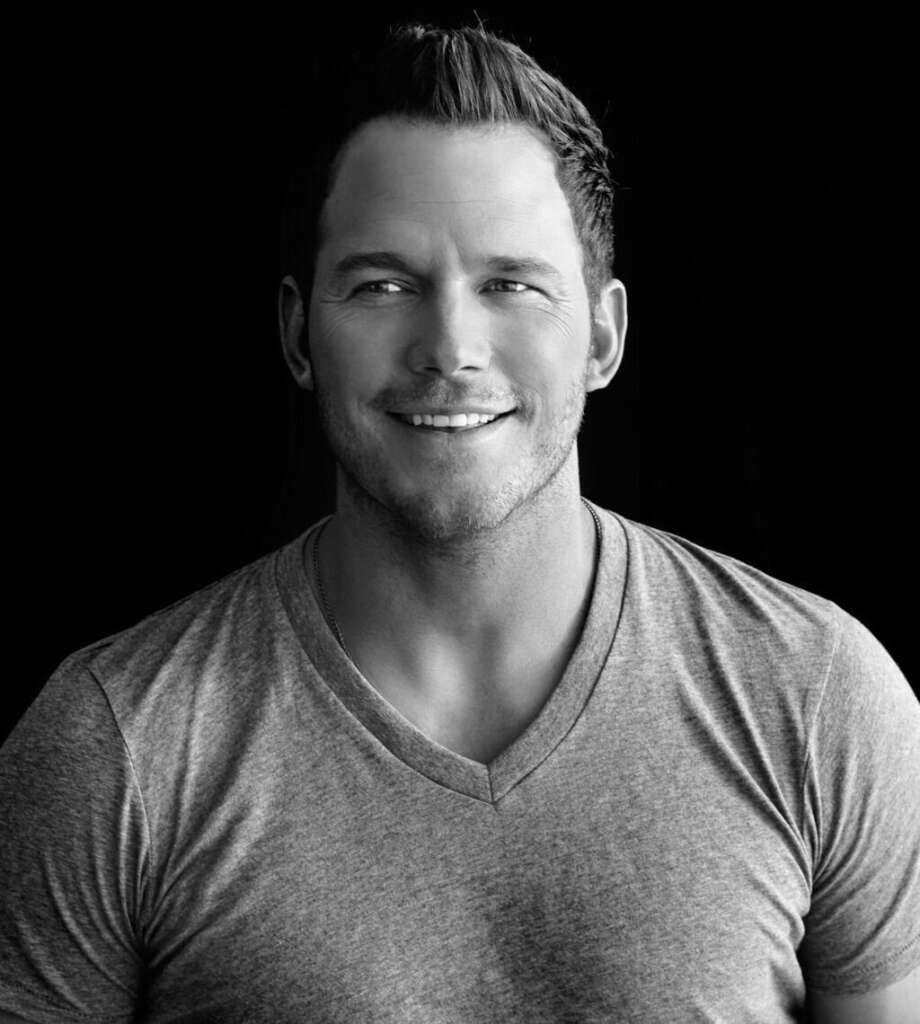
Chris Pratt: 20 Years of Style Evolution
In this exclusive breakdown, Pratt walks through his most iconic looks from the early 2000s to his current leading-man status, explaining the reasoning behind his most significant wardrobe changes.