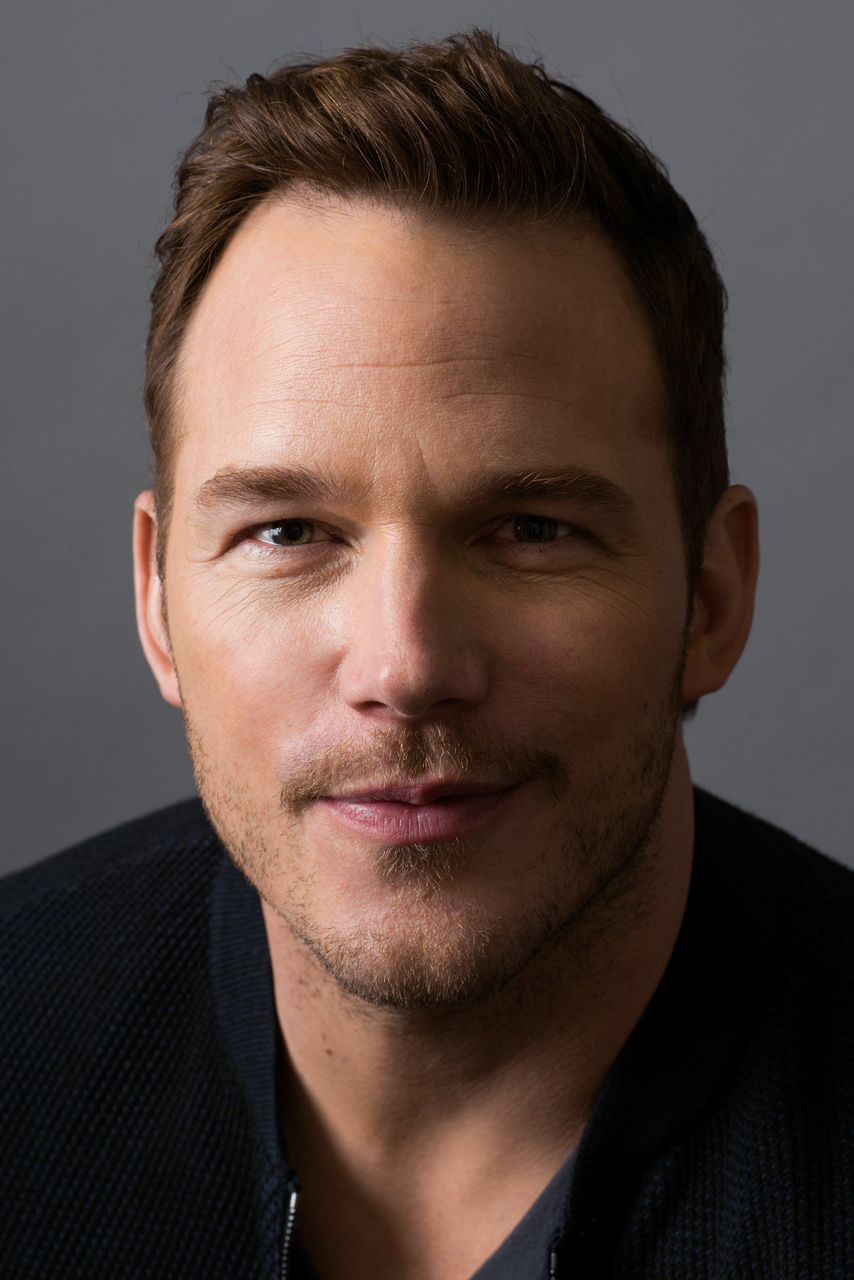
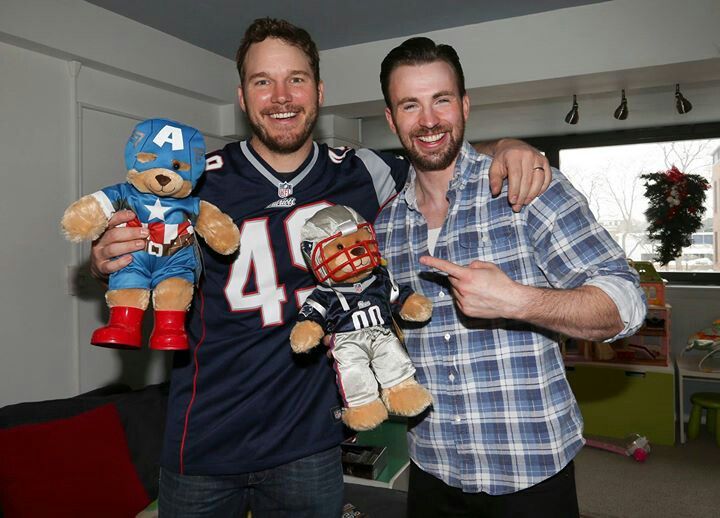
In the modern pop culture ecosystem, the “Best Chris” debate is one of the few internet phenomena that has lasted so long. Since the mid-2010s, fans have jokingly—and sometimes heatedly—pitted Hollywood’s biggest leading men named Chris (Evans, Hemsworth, Pine, and Pratt) against each other. While the debate frequently focuses on superficial comparisons of charisma, acting range, and box office appeal, it has also sparked broader debates about celebrity politics, personal values, and the zeitgeist of “cancel culture.”
The Origins of the “Chris-Off”
The conversation began organically when four white, charismatic actors named Chris rose to blockbuster fame at the same time. For years, fans have used the debate to express their opinions on everything from an actor’s “dad energy” and pet ownership to their work in the Marvel or DC franchises.The discourse began organically as four white, charismatic actors named Chris rose to blockbuster prominence simultaneously. For years, fans used the debate to express preferences based on everything from an actor’s “dad energy” and pet ownership to their performance in Marvel or DC franchises.
However, as the conversation progressed, it changed. What began as a lighthearted pop-culture poll has grown into a serious litmus test for how the internet assesses the moral character of public figures. Chris Pratt, of the four, has frequently been referred to as the “worst” Chris, a label that has persisted for years across various social media platforms and think pieces.
The Roots of the Criticism
Pratt’s status as the internet’s “worst Chris” is a complex mosaic of public missteps, controversial statements, and perceived political alignments. Analysis of the discourse reveals several recurring themes:
- Political Ambiguity: Pratt has faced criticism for being “apolitical” or “tone-deaf” regarding his public comments. Critics have argued that his attempt to remain neutral in a polarized climate is, in itself, a political stance that obscures his true values.
- Religious Affiliation: A significant amount of friction stemmed from early reports linking Pratt to Hillsong Church, a congregation that has faced intense scrutiny for its stance on LGBTQ+ issues. While Pratt has explicitly denied ever being a member of the church, the association stuck in the public consciousness, leading to repeated cycles of criticism.
- Social Media Missteps: From an offhand comment about blue-collar Americans that was perceived as out-of-touch to a poorly timed social media post perceived by some as a “shade” toward his ex-wife Anna Faris, Pratt’s unfiltered style has often backfired.
- Perceived “Tone-Deafness”: Critics have frequently pointed to his social media presence as being “sanctimonious” or inconsistent, ranging from lighthearted snack reviews to overly earnest religious messages that invited intense mockery.
The MCU “Shield” and Public Defense
One of the most unique aspects of this controversy was the reaction from Pratt’s peers. When the “worst Chris” polls gained traction in 2020, Pratt’s Marvel co-stars—including Robert Downey Jr., Mark Ruffalo, and Zoe Saldana—rushed to his defense. They characterized the attacks as “mean-spirited” and a “distraction” from more important societal issues.
His co-stars’ solidarity, intended to protect him, inadvertently fueled the debate. Critics argued that the “white dude solidarity” displayed by the Marvel cast highlighted a double standard in Hollywood, where certain actors are shielded from the types of harassment often directed at others.
Moving Toward 2026: The “Grace” Approach
By early 2026, Pratt had largely shifted his strategy to address these controversies. Rather than engaging in defensive online back-and-forth, he has leaned into a more measured public persona. When asked about criticisms regarding his faith or public perception, Pratt often paraphrases scriptural teachings on endurance, framing public scrutiny as a natural consequence of his public profile rather than a reason to change his core convictions.
Furthermore, his high-profile charitable work, including his ambassadorship for the Special Olympics, has reframed his public image. By focusing on tangible, community-based actions, he has successfully shifted the conversation from online polls to his real-world impact.
The Verdict: Subjective vs. Objective
As it stands in 2026, the “Best Chris” debate is widely acknowledged as a subjective pop-culture tradition rather than an objective measure of worth. While some fans may still gravitate toward the “gentlemanly” energy of Chris Evans or the “wildcard” appeal of Chris Hemsworth, Pratt remains the “Dark Horse”—a divisive figure who continues to break box office records despite, or perhaps because of, the internet’s ongoing obsession with his public persona.
For those curious about how these debates intersect with his actual professional choices, you can explore his trajectory in our Complete Chris Pratt Filmography 2026 Guide or read a deeper analysis of his career path in the Chris Pratt Biography: Early Life, Career Breakthrough, and Hollywood Success.